
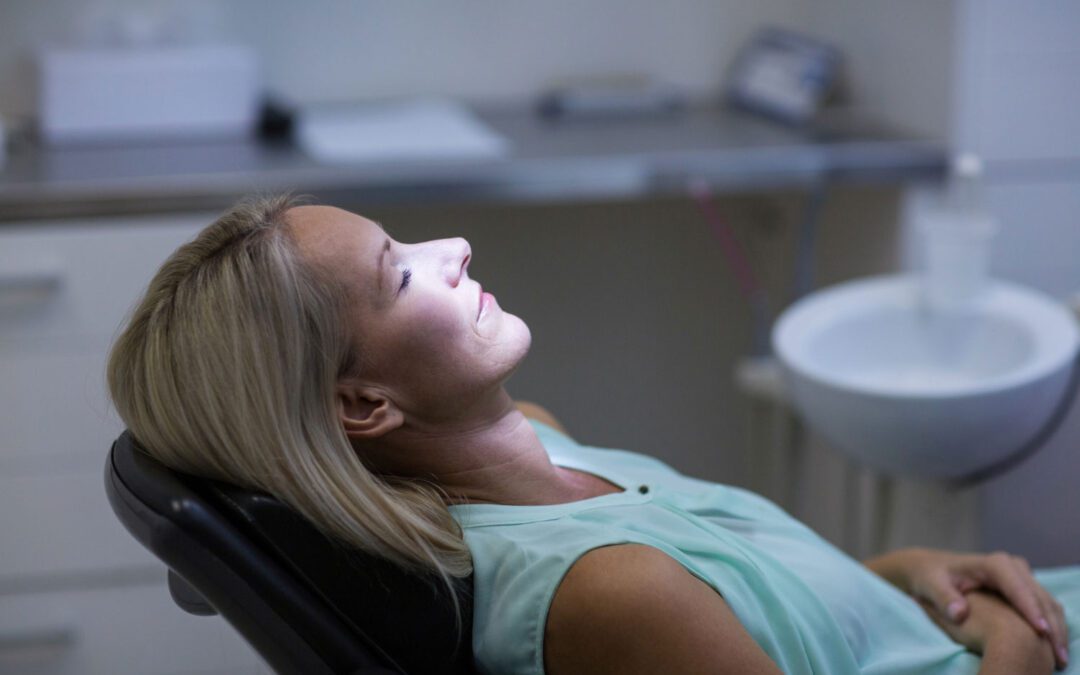
When facing complex dental rehabilitation—such as full mouth extractions, placement of multiple dental implants, or extensive bone grafting—the prospect can be daunting both physically and emotionally. For patients in Woodhaven, Brownstown, and across Downriver with severe dental phobia, significant medical considerations, or the need for lengthy surgical procedures, intravenous (IV) sedation represents the highest standard of comfort and safety. Unlike oral sedation, IV sedation involves the continuous administration of sedative medications directly into the bloodstream, allowing for immediate onset, precise control of depth, and a state of deep relaxation or sleep throughout the procedure. This guide explores the critical role of IV sedation in modern surgical dentistry, detailing the rigorous safety protocols, the qualified professionals involved, and how it serves as the foundation for life-changing procedures like full arch dental implants.
Table of Contents
Key Takeaways | What is IV Sedation? | The Safety Team & Protocol | Who is the Ideal Candidate? | How It Enables Complex Care | The Procedure & Recovery | Community Overview | FAQs
Key Takeaways (TL;DR)
-
For Surgical Complexity, Not Just Anxiety IV sedation is primarily indicated for lengthy, invasive procedures like full mouth implant surgery or multiple extractions, providing profound comfort and physiological stability.
-
A Dedicated Anesthesia Professional A key safety feature is that a licensed anesthesiologist or CRNA solely manages the sedation and monitors your vitals, allowing the surgical dentist to focus entirely on the procedure.
-
Unmatched Control & Safety Medication is delivered and adjusted intravenously for instant effect. Your heart rate, blood pressure, oxygen levels, and ECG are monitored continuously throughout.
-
The Gateway to Major Oral Rehabilitation It is the enabling technology that allows patients to receive full arch dental implants or other transformative treatments in a single, comfortable surgical session rather than over many stressful visits.
-
Requires Rigorous Health Screening A comprehensive pre-operative evaluation is mandatory to assess your fitness for deep sedation and to tailor the anesthetic plan to your specific health profile.
What Is IV Sedation and How Does It Differ from Other Options?
Intravenous (IV) sedation is a form of deep sedation administered directly into the bloodstream. It induces a state of depressed consciousness where patients are typically asleep but can be aroused with significant stimulation. Unlike oral conscious sedation, which has a delayed and variable effect, IV sedation offers immediate onset and the ability to titrate medications in real-time—increasing for deeper relaxation or decreasing as needed. This precise control is why it’s the gold standard for long, complex, or potentially stimulating surgical procedures.
The Safety Team and Continuous Monitoring Protocol
The superior safety profile of IV sedation in a dental setting is attributed to the “two-provider model” and advanced technology.
👨⚕️ The Anesthesia Professional
A licensed anesthesiologist or Certified Registered Nurse Anesthetist (CRNA) is dedicated solely to managing your sedation. They administer medications, continuously monitor your vital signs, and manage your airway and physiological stability throughout the surgery.
📊 Advanced Monitoring
You are connected to equipment that provides real-time data on:
• Blood Pressure & Heart Rate
• Oxygen Saturation (Pulse Oximetry)
• Respiratory Rate
• Electrocardiogram (ECG)
• End-Tidal CO2 (in many settings)
🦷 The Surgical Dentist
Freed from monitoring sedation, the implant surgeon or oral surgeon can devote 100% of their focus and skill to the precise, efficient execution of the complex dental procedure, such as the strategic placement of dental implants or delicate bone grafting.
Who is the Ideal Candidate for IV Sedation Dentistry?
IV sedation is not for everyone; it is a medical procedure with specific indications. Ideal candidates in the Downriver area typically include:
- Patients Undergoing Major Oral Surgery: Those needing full arch extractions, placement of 4+ dental implants, significant bone grafting, or complex wisdom tooth removals.
- Individuals with Extreme Dental Phobia: Patients whose anxiety is so severe that they cannot tolerate any form of conscious dental treatment.
- Patients with Medical Complexities: Those with certain well-controlled medical conditions (e.g., cardiovascular issues) where close physiological monitoring during stress is beneficial.
- Individuals with a Strong Gag Reflex or Inability to Get Numb: Where traditional methods have repeatedly failed.
- Patients with Special Needs: Where cooperation for extensive treatment is not possible.
Contraindications: A thorough pre-operative health assessment is mandatory. IV sedation may not be recommended for individuals with unstable medical conditions, certain drug allergies, or a history of adverse reactions to anesthesia.
How IV Sedation Enables Complex, Life-Changing Dental Care
The true value of IV sedation lies in its ability to make the impossible possible for patients who have suffered with poor oral health for years.
This efficiency reduces overall treatment time, minimizes the psychological trauma of multiple surgeries, and can improve surgical outcomes by allowing the dentist to work in an ideal, controlled environment.
The Procedure and Recovery: A Step-by-Step Overview
- Pre-Operative Consultation & Clearance: Comprehensive health review, possibly including lab work or physician clearance.
- Day-of-Surgery Pre-Op: Fasting, arrival with companion driver, final review with anesthesia provider.
- Induction: An IV line is placed, and sedation begins. You will fall asleep within minutes.
- Procedure & Monitoring: The surgical team performs the planned work while anesthesia maintains your comfort and stability.
- Recovery (PACU): You are moved to a recovery area where you wake up gradually under professional supervision. Your companion is briefed on care.
- Discharge & Aftercare: Once stable, you are discharged home with detailed instructions. You will need full rest for 24-48 hours, with your companion assisting you.
Community Overview — Access to Advanced Surgical Sedation in Downriver
The availability of in-office IV sedation or partnerships with ambulatory surgery centers is a marker of a practice capable of handling the most advanced dental reconstructions. For Downriver residents, it means:
- Local Access to Transformative Care: Patients from Taylor to Trenton no longer need to travel to major hospital centers in Detroit for complex oral rehabilitation; it can be coordinated locally.
- Coordinated, Continuity of Care: When sedation and surgery are managed by a coordinated team familiar with the final restorative plan (like a fixed implant bridge), outcomes and efficiency are improved.
- A Commitment to Comprehensive Solutions: It reflects a practice philosophy dedicated to solving the most difficult dental problems, aligning with the full scope of services expected from a comprehensive dentist in Woodhaven, MI.
Frequently Asked Questions (FAQs)
People Also Search For
- Cost of IV sedation for dental implants
- Anesthesiologist for dental surgery near Woodhaven
- Recovery timeline after full mouth extraction with sedation
- Risks of deep sedation vs. general anesthesia
- How to choose a dental implant surgeon who offers IV sedation
Strategic Next Step
If you are considering a major procedure like full mouth dental implants and want to understand all your comfort options, start with our overview: Sedation Dentistry in Brownstown and Woodhaven, MI: Options, Safety, and What to Expect.
Sources
- American Dental Association (ADA). “Guidelines for the Use of Sedation and General Anesthesia by Dentists.”
- American Society of Anesthesiologists (ASA). “Continuum of Depth of Sedation.”
- Journal of Oral Implantology. “Patient Outcomes and Safety in Office-Based Anesthesia for Dental Implant Surgery.”
- Michigan Board of Dentistry. “Rules for Administration of Anesthesia and Sedation.”
Last reviewed: February 2026